Why Your Best Photos Are Getting Lost in the Algorithm Shuffle
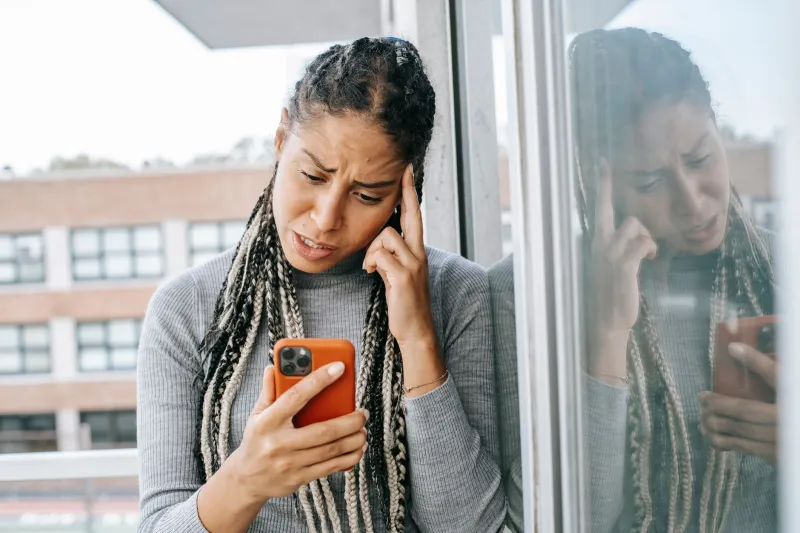
You know that feeling. You nail a photo — perfect lighting, great composition, the kind of shot you're genuinely proud of — and you post it. Then you watch it sink beneath a wave of memes, sponsored posts, and your cousin's political commentary. By tomorrow morning, it's essentially gone. Not deleted, just... buried.
This isn't bad luck. It's by design. And once you understand why it happens, you'll think twice about where you're actually sharing your photos.
Social Media Was Never Really About Your Photos
Here's the uncomfortable reality: Facebook, Instagram, and TikTok are advertising platforms first and foremost. The photos you share are content that keeps users scrolling — and the algorithm decides what gets seen based on what generates the most engagement, the fastest. That means provocative content, trending audio, and posts from accounts that already have massive followings tend to get pushed forward while your carefully framed beach vacation shots get quietly deprioritized.
Instagram's algorithm, for example, weighs factors like how quickly a post earns interactions after going live, whether you're using trending hashtags, and how much time followers typically spend on your other content. A photo posted at the wrong time of day — or by someone who hasn't posted in a few weeks — can essentially be invisible to 90% of your own followers. That's not a glitch. That's the system working exactly as intended.
For casual snapshots, this might not matter much. But if you're sharing photos that actually mean something to you — family milestones, travel memories, creative work you've put effort into — getting algorithmically ghosted stings.
The Text Message Problem Nobody Talks About
On the opposite end of the spectrum, plenty of Americans default to texting photos directly to friends and family. It feels personal and immediate, which is great. But it comes with its own set of frustrations.
Most smartphones compress images before sending them via SMS or even iMessage. What you send is often a noticeably degraded version of the original. Colors flatten, fine details blur, and that crisp quality you captured on your phone's camera gets quietly mangled in transit. The person on the receiving end might not even notice — but you will, especially if they ever try to print or reuse that image.
There's also the organizational nightmare. Photos shared over text live in conversation threads, mixed in with grocery lists and GIFs. There's no easy way for the recipient to save them in any organized way, and finding a specific image weeks later usually means endless scrolling through a chat history.
What a Purpose-Built Platform Actually Does Differently
This is where dedicated photo-sharing platforms earn their keep. When you upload images to a platform like PictureUpload, the experience — both for you and for the people you're sharing with — is fundamentally different in a few key ways.
Your images are the point. There's no algorithm deciding whether your photo deserves to be seen today or not. When you share a link to an album or an image, the person you send it to sees exactly what you uploaded, in full quality, without ads cluttering the frame or a feed full of distractions competing for attention.
Full resolution stays intact. Unlike social platforms that compress uploads to save server bandwidth (and keep load times snappy for mobile users), dedicated hosting services are built to preserve image quality. What you upload is what gets viewed. That matters enormously if you're sharing photos that might eventually be printed, framed, or passed down.
Sharing is intentional. Rather than broadcasting to everyone who follows you — including your old coworkers and that guy you met at a conference in 2019 — you can share specific albums with specific people. It's a more deliberate, more personal experience. You're not performing for an audience; you're actually sharing memories with people who care about them.
The Visibility Gap Is Wider Than You Think
Let's put some numbers to this. Studies on Instagram engagement consistently show that the average post reaches somewhere between 5% and 15% of an account's followers. For accounts with smaller followings — which describes most regular people, not influencers — that number often skews toward the lower end. Post timing, hashtag strategy, and engagement history all play a role.
Meanwhile, a direct link to a photo album shared with ten family members? All ten of them can access it, at full quality, any time they want, without the image competing against anything else on a feed. The math on actual viewership isn't even close.
For photographers — hobbyist or otherwise — this visibility gap is especially frustrating. You might spend real time and effort on a set of photos from a hiking trip or a kid's birthday party, only to have the social media version get a fraction of the appreciation it deserves.
It's Not About Abandoning Social Media
To be clear, this isn't an argument for deleting your Instagram or going off the grid. Social platforms have their place, and staying connected with a broad network of friends and acquaintances is genuinely valuable. But there's a meaningful difference between using social media for casual connection and relying on it as your primary way of sharing photos that matter.
Think of it this way: you wouldn't display your favorite family photos by scattering printouts across a crowded bulletin board at a grocery store and hoping the right people walk by. You'd put them in an album, or hang them somewhere people who care about them will actually see them.
Dedicated photo-sharing platforms are the digital version of that album. They give your images a permanent, accessible home — one where the people you actually want to share with can find them easily, view them properly, and come back to them later.
Making the Switch (Or at Least Adding a Better Option)
The good news is that switching doesn't require any dramatic lifestyle changes. Uploading your photos to a platform like PictureUpload takes minutes, and sharing is as simple as sending a link. You can still post a highlight to Instagram if you want the casual social experience — but the full album, in full quality, lives somewhere people can actually find it and enjoy it.
Your best shots deserve better than a 48-hour window in someone's feed before they're gone forever. The technology to give them that exists. It's just a matter of knowing where to look.