Shared With Everyone, Seen by No One: How Mass Photo Sharing Killed the Magic of the Moment
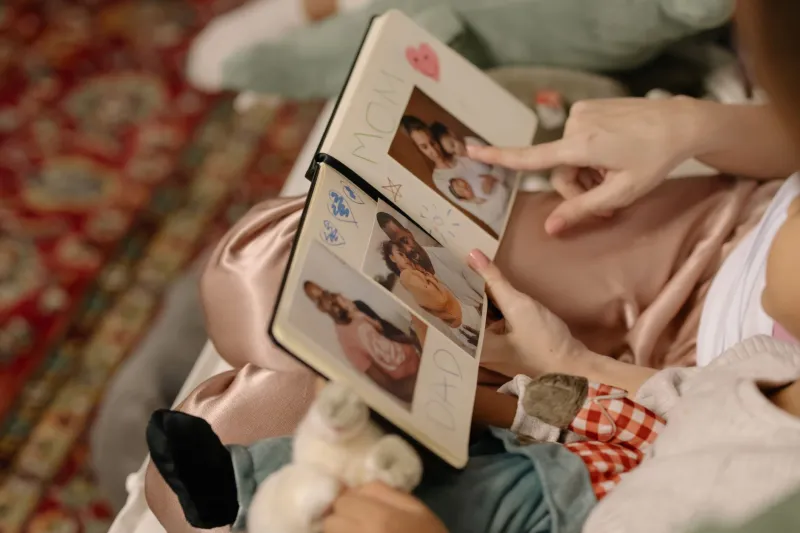
Remember the last time someone pulled out a physical photo album at a family gathering? The way people leaned in, pointed at faces, laughed at old haircuts, and actually talked about what they were seeing? That experience — slow, communal, intentional — is pretty much extinct now. In its place, we've got the dopamine drip of posting to Instagram or Facebook, watching the likes roll in for about 48 hours, and then watching the whole thing vanish into the feed forever.
We've traded depth for volume. And somewhere in that trade, we lost something worth talking about.
The Paradox Nobody Wants to Admit
Here's the uncomfortable truth: the more people you share a photo with, the less any single person actually engages with it. It sounds counterintuitive, but social psychologists have a name for this kind of thing — diffusion of responsibility. When a photo is blasted to 600 followers, the unspoken assumption is that someone else will really look at it. So nobody does. Not really.
Compare that to texting a photo directly to your sister with a note that says, "This one reminded me of that road trip we took in 2015." She's going to look at that photo. She's going to feel something. The image has context, it has an audience of one, and it carries actual weight.
The mass-sharing model flips this completely. Quantity of audience becomes the goal, and meaning gets squeezed out in the process.
What the Algorithm Actually Does to Your Photos
Social platforms aren't designed to help people appreciate your photos — they're designed to keep users scrolling. That means your carefully framed shot of the Grand Canyon at golden hour gets about 1.5 seconds of someone's attention before they're already moving on to a video of a dog doing something funny.
The algorithm also decides who even sees your post in the first place. You might have 400 friends on Facebook, but organic reach on most platforms has dropped dramatically over the past decade. There's a real chance that the people who matter most to you — your college roommate, your parents, your closest friends — never even see the photos you post publicly.
So you're sharing with everyone and reaching almost no one. That's the paradox in full effect.
The Psychology of Being Truly Seen
There's real emotional value in having someone genuinely engage with a photograph you took. It validates the moment, confirms that what you experienced was worth capturing, and creates a point of connection between you and another person. That's why photo sharing matters — or at least, why it should.
But that feeling requires attention, and attention is exactly what mass sharing fails to generate. Likes and heart emojis are easy to dispense and mean very little. A comment that says "This is gorgeous — where was this taken?" is worth a thousand passive double-taps, because it signals that someone actually stopped and looked.
Intimate sharing creates the conditions for that kind of real engagement. Broad sharing almost never does.
Rethinking Who Your Photos Are Actually For
Before you hit upload, it's worth asking a simple question: who actually needs to see this?
Not who could see it. Not who you wish would see it. Who genuinely cares about this image and why?
For vacation photos, that might be the friends who asked how the trip went. For a milestone birthday party, it's probably the people who were in the room. For a shot of your kid's first soccer goal, it's grandparents, aunts, uncles — not your entire social network.
When you get intentional about your audience, something interesting happens: you start curating differently. You pick the best three photos instead of dumping all forty-seven. You write a caption that actually says something. You share in a way that invites a response instead of just broadcasting into the void.
Practical Ways to Make Sharing Feel Meaningful Again
Create shared albums for specific groups. Platforms like PictureUpload let you build private, shareable albums that you control. Instead of posting your family reunion photos publicly, upload them to a dedicated album and share the link only with family members. Everyone gets access, nobody's scrolling past it in a crowded feed, and the photos actually get looked at.
Bring back the curated set. Before social media, people shared selections of their best photos — not every single frame they shot. Apply that same thinking now. Pick your ten favorites from a trip and share those. The people who receive them will appreciate the restraint, and each image will carry more weight.
Use direct sharing for personal moments. Not everything needs to be a public post. Sending a photo directly to one or two people with a personal message creates a completely different experience than dropping it into a feed. It says, "I thought of you specifically when I took this." That's a gift.
Revisit and reshare old photos. One of the underrated joys of having a well-organized photo library is the ability to resurface older images that deserve another look. Sharing a photo from five years ago with the people who were in it — "found this and it made my day" — creates a moment of genuine connection that no new post can replicate.
Think about longevity, not just likes. A photo stored and organized properly on a platform like PictureUpload will be accessible years from now. A post buried in a social feed is effectively gone within a week. If an image matters to you, treat it like it matters — store it somewhere intentional and share it with people who'll actually care about it long-term.
Quality of Audience Beats Size of Audience Every Time
The cultural obsession with follower counts and reach metrics has warped the way we think about sharing. But for personal photography — the kind that captures real life, real people, and real moments — none of those metrics actually matter. What matters is whether the right people saw it, felt something, and maybe reached out because of it.
A photo shared with twenty people who care is infinitely more powerful than one posted to two thousand who don't.
The good news is that you don't have to abandon social media entirely to fix this. You just have to be a little more deliberate. Upload your photos to a place where you control them. Organize them so you can actually find them later. Share them with intention — the right images, to the right people, in a way that invites real engagement.
That's how photos stop being content and start being what they always were supposed to be: a way to share your life with people who actually want to see it.